6 Ways To Use Complex Human Behavior Data To Improve Game Design
Video games are getting better because the people who make them are learning how we think and play. By watching what players do - what makes them happy, what they like, and how they play with others - game makers can create games that feel like they were made just for you.
Instead of just guessing what we want, they use information to make challenges, prizes, and stories that change as you play. This makes every moment feel special and just right for you. The games we get will be really amazing because they're based on how real people act, not just what someone thinks we might like. Here are 6 awesome ways game developers use the fascinating world of human behavior to level up their game design and make things feel incredibly personal and fun
1. Player Motivation And Psychology In Game Design
Game design isn’t just about rules and graphics, it’s deeply tied to how players think and feel. At its core, gaming triggers natural brain responses that shape enjoyment. For example, playing games often releases dopamine, a chemical linked to pleasure and motivation, which keeps players engaged. Some games also boost serotonin, enhancing mood and happiness, while others influence stress hormones like cortisol, fast-paced challenges might heighten tension, while calming puzzles can ease it.
By studying these reactions, designers can craft experiences that feel more rewarding. It could be through captivating stories, satisfying mechanics or balanced difficulty, the goal is to create moments that resonate emotionally. This understanding turns abstract psychological concepts into practical design choices, making games not just fun but truly memorable.
2. Set Clear Goals Based On Player Behavior
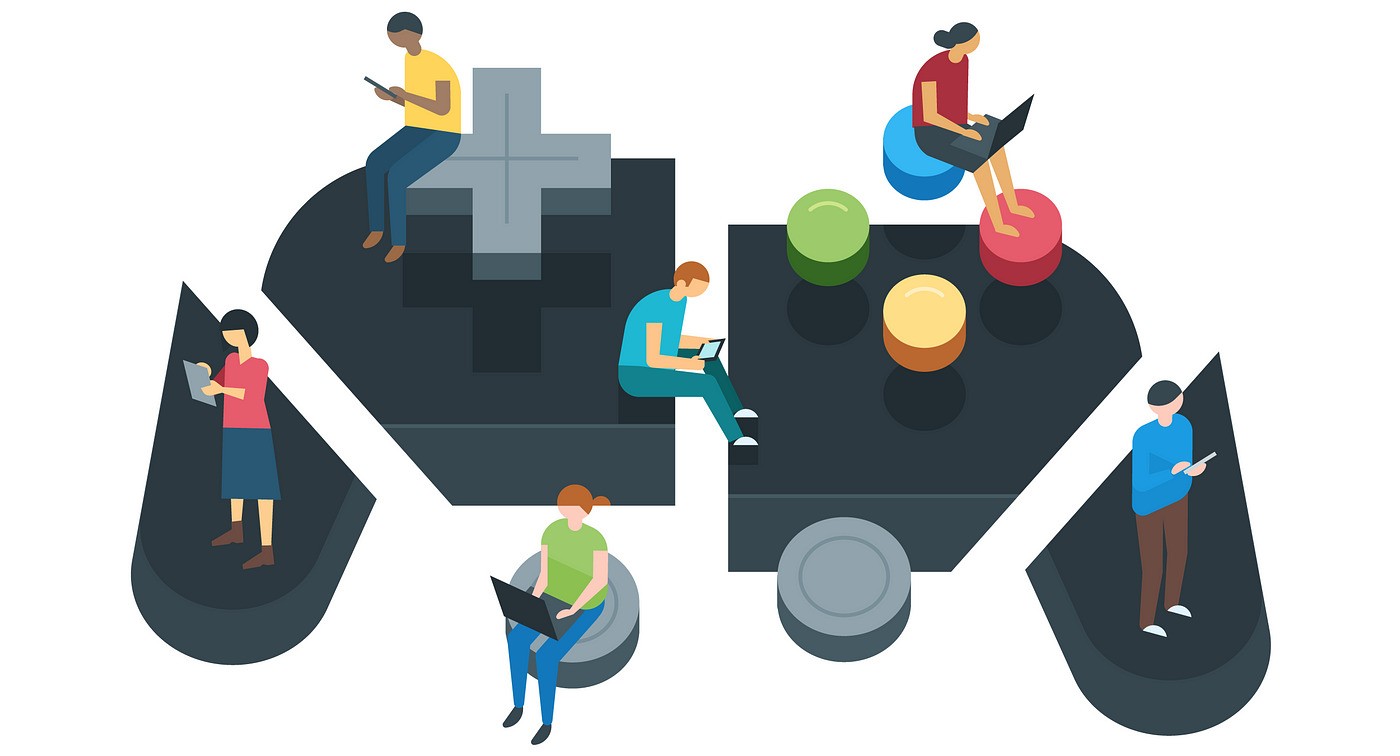
To create a game that truly connects with players, start by defining clear, actionable goals rooted in how players interact with your game. For instance, focus on boosting engagement by offering tailored rewards based on how users play, or design challenges that keep players coming back.
To improve your game effectively, set goals that follow these guidelines:
- Specificity:Clearly define what you want to achieve, you could make levels more engaging by adding interactive puzzles.
- Trackability:Use measurable metrics to monitor progress by increasing daily logins by 15% with in-game rewards.
- Be Realistic:Focus on gradual progress instead of overnight success.
- Relevance:Align goals with your game’s vision by improving storytelling for a narrative-driven game.
- Be Time-Bound:Set a clear timeline, aim to boost player retention by 10% within three months.
3. Understand Player Behavior To Improve Games

To create better gaming experiences, start by learning how players interact with your game. Track how they move through levels, what makes them excited or frustrated, and how they connect with others. Use tools to monitor actions like which parts of the game they finish or avoid, and ask for feedback through surveys to understand their emotions.
AI toolscan help spot patterns, such as why players stop playing a level. This insight lets developers tweak the game’s difficulty, adjust features, or fix frustrating parts. By truly understanding players, you can design experiences that keep them engaged and excited.
4. Personalize Game Experiences
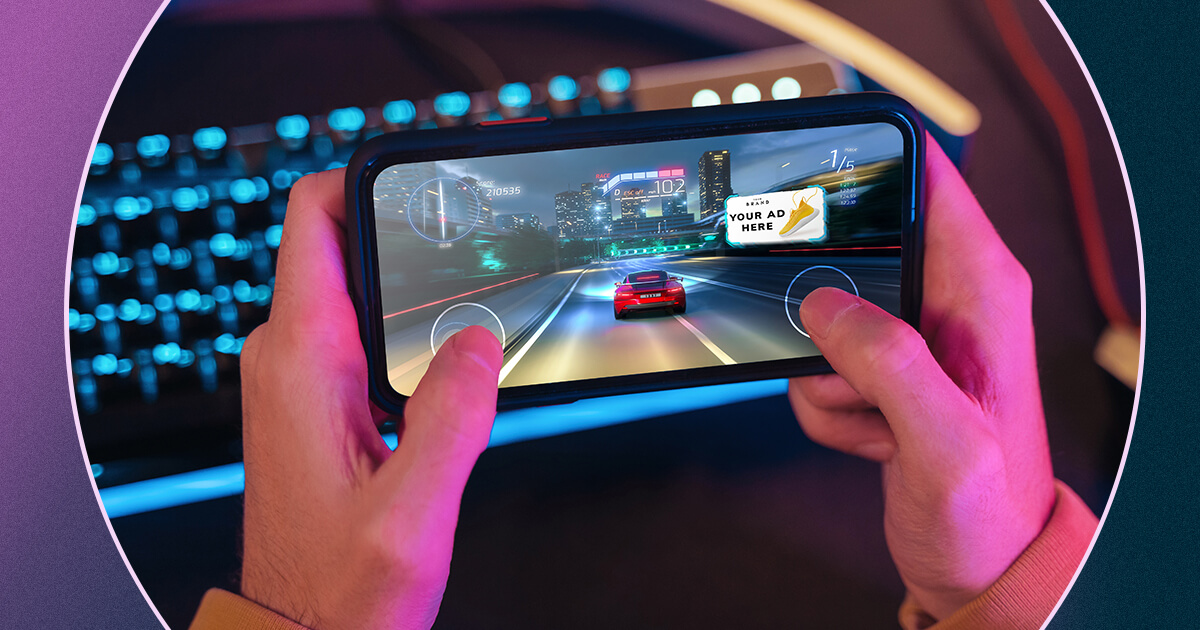
Personalized games make players feel unique by adjusting the experience to match how they play. By tracking skill levels or story choices, games can tweak difficulty settings or plot directions to fit individual preferences. For instance, The Witcher 3let players shape the story through their decisions, making the adventure feel more engaging.
In the future, AI will create custom quests tailored to how someone plays, keeping them hooked for longer. When games adapt to players, they become more memorable and enjoyable, turning casual players into dedicated fans.
5. Enhance Engagement And Retention
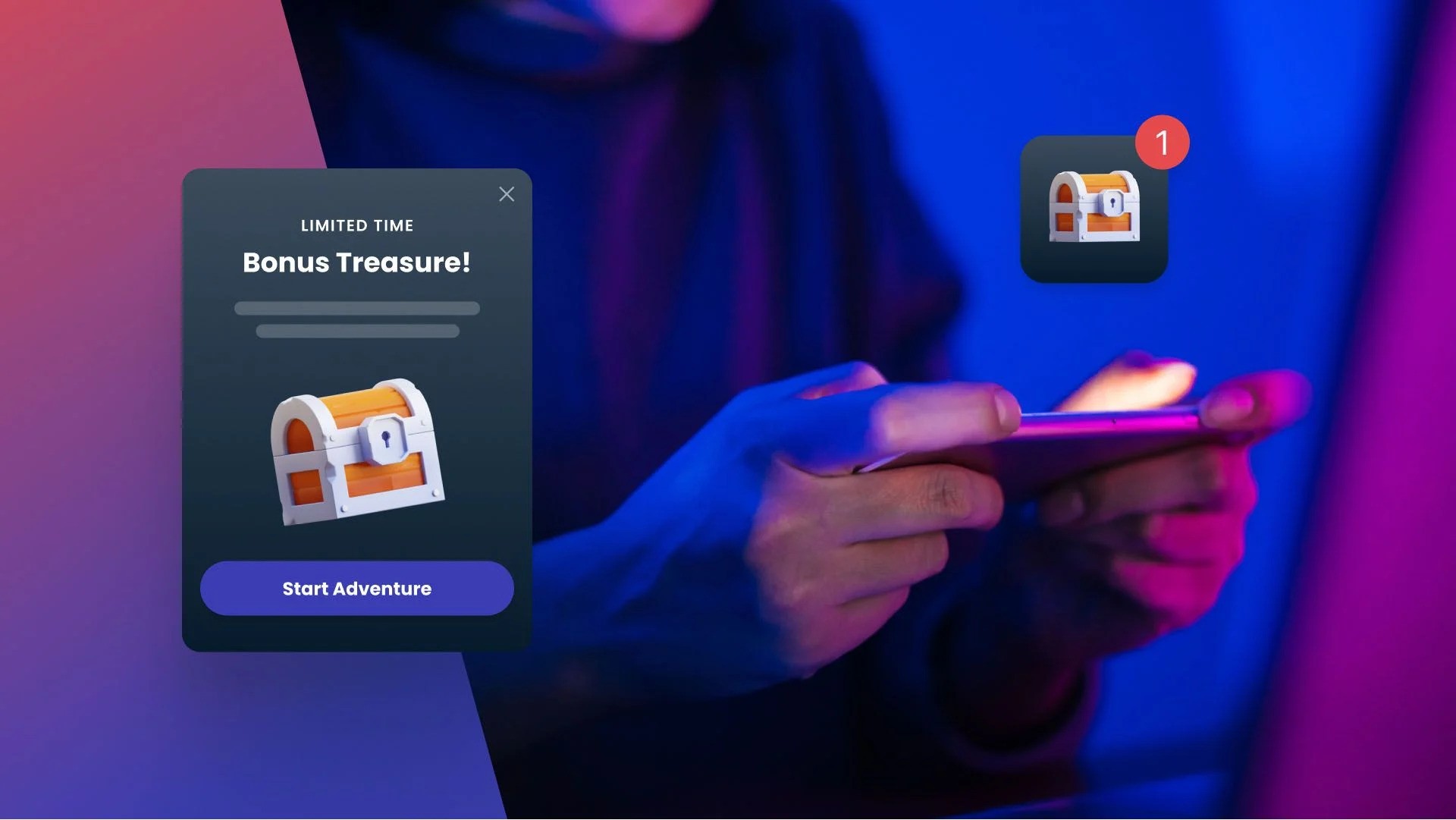
Understanding how players interact with your game is key to keeping them hooked and reducing drop-offs. By analyzing what players love, If it’s social features, rewards or challenges, you can create dynamic in-game events that keep them excited. Games like Fortnite use real-time player data to host live events that keep the community buzzing.
As gaming evolves, tools that adjust content in real time based on player feedback will become essential for staying relevant. Designing with engagement in mind means crafting experiences that players can’t wait to dive back into, session after session.
Dive Deeper: Learn About Serious Gaming
6. Ensure Ethical Data Practices
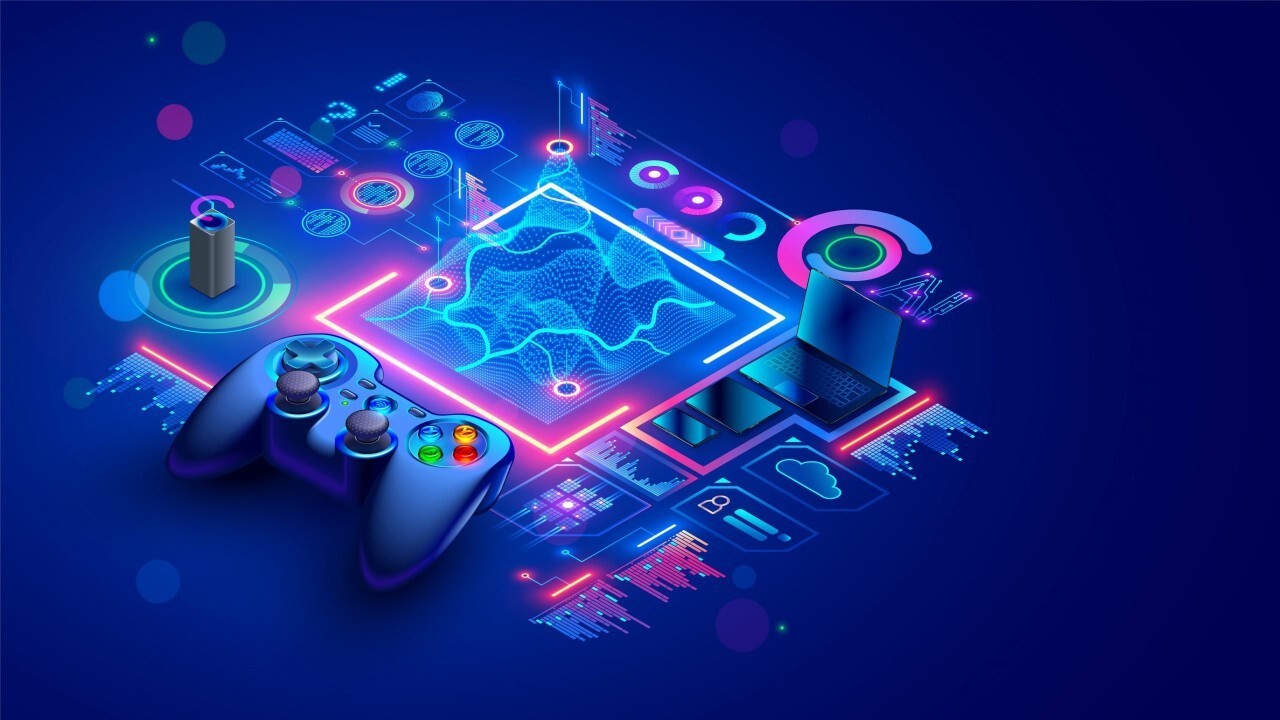
Using data responsibly builds trust and fuels creativity. Clear communicationabout how user information is used like in games such as Among Us keeps players loyal. Following privacy laws (like GDPR) and using anonymous data ensures insights stay valuable without risking personal details.
Balancing ethics with tailored experiences is key to creating games that feel both innovative and respectful. By prioritizing transparency, developers foster long-term relationships with their audience.
Why Understanding Player Behavior Makes Better Games
Studying how players think and act helps game designers create experiences that feel natural and rewarding. By looking at how people make decisions, where they get stuck, or when they’re most engaged, developers can adjust challenges to match players’ skill levels. This approach turns generic games into personalized adventures, where the story or difficulty shifts based on how you play.
Games built using data from humanbehaviors feel more meaningful to players, keeping them engaged longer. When players sense they’re understood not manipulated, they’re more likely to stay invested. Designers who master how to use behavioral datacan refine clunky mechanics, balance multiplayer modes, and predict trends before they peak. This approach turns feedback into actionable insights, ensuring games evolve alongside player needs.
Frequently Asked Questions
How Do Game Developers Use Psychology?
The psychology of game design serves one master goal: to make games more engaging and enjoyable for players. Designers can create more engaging worlds by knowing what captures our attention, motivates us, and connects with us emotionally.
What Are The Behavioral Benefits Of Video Games?
Video games can act as distractions from pain and psychological trauma. Video games can also help people who are dealing with mental disorders like anxiety, depression, attention deficit hyperactivity disorder (ADHD), and post-traumatic stress disorder (PTSD). Social interaction.
How Do Video Games Affect Human Behavior?
Spending too much time playing video games can lead to unwanted effects like increased stress, mood swings, aggression, restlessness and impulsive actions. These behaviors often stem from intense gaming sessions that strain emotional and mental well-being, especially when playtime interferes with daily life.
How Do Game Developers Use Psychology?
The psychology of game design serves one master goal, to make games more engaging and enjoyable for players. Designers can create more engaging worlds by knowing what captures our attention, motivates us, and connects with us emotionally.
How Do Video Games Improve Cognitive Skills?
Video games' benefits for cognitive functions have already been widely demonstrated, with a main effect on executive functions. Many studies have shown that video gamers outperform non-gamers in terms of attention, visuospatial, working memory, and mental flexibility performances.
What Are The Negative Effects Of Gaming?
Gaming has also been associated with sleep deprivation, insomnia and circadian rhythm disorders, depression, aggression, and anxiety, though more studies are needed to establish the validity and the strength of these connections.
Final Thoughts
Using what we learn about how people act is a big leap forward in making things more important and helpful in lots of areas. Instead of just guessing, when we use information about people, we can make things that grab their attention more and really connect with them. This smart and careful way of doing things helps us come up with new ideas that really work for people.
Also Check Out: APK Downloads And App Development